
Standard enrolment
Sale price ends in —
Save AU$60was AU$157AU$97
A focused investment in the financial dynamics of your clinical relationships.
Enrol at standard fee — AU$97Trauma & Money Resource: Free e-book: Trauma & Money for practitioners. Download here
Sale price AU$97 AU$157 ends 15 November, 11:59 pm Sydney time — in

75-minute masterclass · Statement of Completion
Clients rarely say “I’m being financially abused.” They say “I’m just bad with money,” “My partner handles the bills,” or “I have to check before I spend.” Learn how to recognise coercive financial control in the room and respond without increasing client risk.
Currently on sale · AU$157 AU$97 · Supported fee available
What happens in the room
The client rationalises extreme deprivation — rationing fuel, tracking grocery receipts, or having no access to their own bank cards — as their partner simply “being sensible with money.”
A client discloses loans, credit cards or car finance taken out in their name that they never benefited from, carrying deep shame for a financial mess they did not create.
You sense control, but aren’t sure how to explore it without triggering a defensive loyalty bind or creating a safety hazard for the client at home.
The wrong response can increase risk. The right response can validate what is happening and help the client access safety and support.
From uncertainty to safe, confident practice
Know when financial tension crosses from relationship friction into systematic deprivation, surveillance and sabotage.
Conversational prompts that gently invite clients to talk about money and autonomy without feeling interrogated or judged.
Learn what not to say or recommend — and why well-meant financial suggestions can sometimes increase risk at home.
Clear frameworks for when and how to connect clients with specialist financial counsellors, legal and crisis services while holding the clinical space.
Agency Check-In, Language for Financial Safety, Financial Control Practice Audit, Practitioner Response Plan and Case Reflection Worksheet.
Learn the patterns, dynamics and tactics that can show up in a client’s financial life, even when abuse is never named.
Notice what clients may say, avoid, minimise or normalise — and how it can appear in fees, access to money and relationship context.
Know how to hold the conversation without escalating risk, and when specialist referral or reporting may be required.
Apply clear boundaries, documentation and supervision practices that keep you and your client safe.
A focused, reflective masterclass
Five focused chapters. Watch in one sitting or return across several, with lifetime access to all lessons and resources.
Understanding Financial Abuse and Coercive Control
Recognising when money becomes a tool of power, restriction and manipulation.
The Psychology and Physiology of Financial Control
How trauma, fear and nervous system responses influence financial autonomy and decision-making.
Recognising the Hidden Signs of Financial Abuse
Identifying subtle patterns of control, dependency, exploitation and financial entrapment.
Responding Safely and Therapeutically
Supporting disclosure, restoring agency and navigating conversations without increasing risk.
Rebuilding Financial Safety, Choice and Autonomy
Trauma-informed strategies for recovery, professional boundaries, safety planning and appropriate referrals.

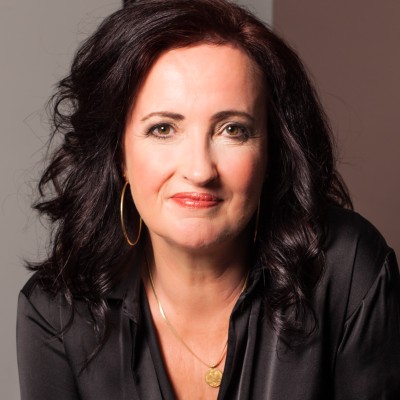
Meet your instructor
Founder & Lead Educator, Procovo Institute
Jane founded Procovo to close the gap between financial practice and trauma-informed care. A psychotherapist and financial therapist, author and educator, she has spent two decades training advisers, counsellors and mental health professionals in how money, stress and the nervous system interact — and turning that work into accredited programs practitioners can actually use with clients.
In this masterclass she brings that clinical lens to the financial lives of clients living with control — helping you notice what is hidden, respond safely and protect client agency.
More about Jane and ProcovoClinical fit & professional scope
You’ll get the most value from these 75 minutes if any of these situations sound familiar in your practice.
For psychotherapists, counsellors, psychologists, somatic practitioners and other mental health professionals — worldwide
You want clear clinical eyes for financial abuse in individual, couple or family therapy, and practical tools to respond safely.
Choose the fee that fits
The supported price is available for those who need it. Both options include the same masterclass, materials, lifetime access and Statement of Completion.
A focused investment in the financial dynamics of your clinical relationships.
Enrol at standard fee — AU$97AU$87
For those who need a lower fee. Choose this option directly — the same learning, without an extra application step.
Enrol at supported fee — AU$87All prices in Australian dollars. Secure enrolment through Thinkific.
Prefer all three masterclasses? View the AU$257 bundle →Psychotherapists, counsellors, psychologists, somatic practitioners and other mental health professionals — anywhere in the world. It is not designed for financial advisers, financial counsellors or financial professionals seeking CPD/CEU credits.
It is a 75-minute on-demand masterclass. You watch at your own pace, in one sitting or across several, with lifetime access.
No. You receive a Statement of Completion, which many practitioners record as self-directed professional development.
This masterclass provides professional education and does not replace specialist domestic and family violence training, legal advice, financial advice, supervision, organisational procedures or jurisdiction-specific reporting and safety obligations.
On sale for AU$97 (normally AU$157) until 15 November, 11:59 pm Sydney time. A supported fee of AU$87 is also available.
Recognise financial control sooner, and respond in ways that protect your client’s safety and agency.
Enrol now — AU$97When Money Becomes Control
75 minutes · Lifetime access